

Revitalize Your Health with Personalized Care in Tustin
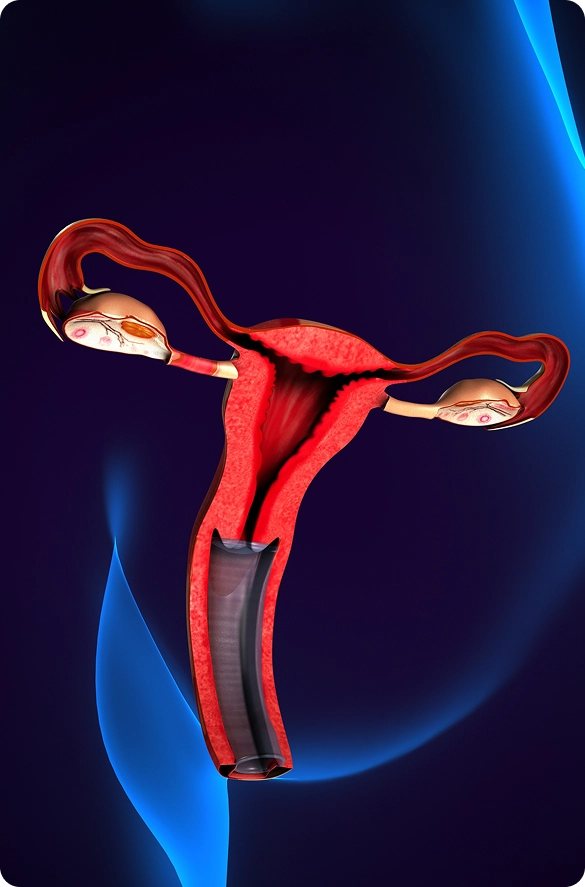
Hormone Replacement Therapy (HRT) is a medical treatment tailored to relieve the disruptive effects of menopause, andropause, and endocrine system disorders.Women over 50 in Tustin who face issues like hot flashes, night sweats, mood swings, depression, insomnia, or sexual dysfunction can achieve relief through therapies focused on restoring estrogen balance in the body.As women in Tustin transition into menopause, the decline in ovarian estrogen production often results in hormonal imbalances, which set off a range of distressing symptoms further aggravated by the body’s inability to produce natural levels of estrogen, progesterone, and other key hormones.
Common Symptoms Associated with Hormonal Deficiencies and Imbalances
Hormonal imbalance can arise naturally with age or through underlying health concerns, leading to a wide range of symptoms that affect both body and mind. These symptoms occur when the body no longer produces estrogen, progesterone, and other hormones at their necessary levels. Hormone Replacement Therapy (HRT) reintroduces these hormones into the system to restore balance, helping women manage the uncomfortable and often distressing effects that come with deficiency. The therapy is a proven approach to alleviating these common symptoms and restoring quality of life.

Hot Flashes & Night Sweats
Among the most disruptive outcomes of hormonal changes are hot flashes during the day and night sweats that prevent restful sleep. These symptoms frequently appear during menopause, perimenopause, and postmenopause, often leaving women fatigued from ongoing insomnia. When sleep is constantly interrupted by shifts in body temperature, overall health and mood can also decline. HRT reduces these issues by balancing hormone levels, which in turn minimizes hot flashes and night sweats while improving sleep quality and consistency.

Menstrual Health Symptoms
A deficiency in reproductive hormones such as estrogen or progesterone can interfere with menstrual health. Many women experience overly heavy bleeding, painful cycles, or conditions such as endometriosis. These changes also contribute to abnormal patterns of endometrial tissue growth.

Psychological and Emotional Symptoms
The hormonal fluctuations of perimenopause are often accompanied by psychological symptoms. Anxiety, depression, and unstable moods can affect daily living. Hormone replacement therapy works to regulate hormone levels, decreasing anxiety and enhancing overall mood and mental balance.

Sexual Dysfunction Symptoms
Sexual difficulties are another outcome of menopause. Vaginal dryness, painful intimacy, and atrophic vaginitis occur frequently. Hormone replacement therapy alleviates these symptoms by improving circulation, replenishing moisture, and restoring elasticity to vaginal tissue, leading to greater comfort.
Frequently Asked Questions about Women’s Hormone Replacement Therapy
How safe is Hormone Replacement Therapy?
Hormone Replacement Therapy is regarded as a safe and practical solution for addressing the symptoms women experience due to declining hormones, with bioidentical treatments initiated at low doses to promote effective and lasting health results.Patients who live in Tustin and choose to undergo HRT should pair their therapy with positive lifestyle decisions, as doing so not only reduces potential risks but also enhances the effectiveness of treatments in restoring comfort and wellness.In your consultation with Dr. Garcia, every viable HRT option will be reviewed in detail, and you will receive thoughtful recommendations about the treatment regimen most suited to your health profile and long-term goals.For many women in Tustin who are under the age of 60 and within 10 years of entering menopause, the benefits of starting HRT clearly outweigh the risks, making this an empowering option for patients seeking relief from ongoing symptoms.
How long will it take to notice results with Hormone Replacement Therapy?
Results from hormone replacement therapy differ widely among patients. While one person may start to feel better after only two weeks of treatment, another might need more time before improvements are noticed. Several influences determine the timeline, including health status, previous medical experiences, any existing conditions, and the personal treatment goals set by the patient. Because every case is unique, it is important to understand that outcomes may arrive sooner or later than the average expectation.
How is each Hormone Replacement Therapy treatment plan developed?
Each treatment plan is the result of careful, individualized preparation. Dr. Garcia reviews all aspects of the patient’s background, including their medical history, symptoms, and specific treatment goals, in order to create an effective approach. There is no single program that works for everyone, which is why the consultation stage is essential for creating a plan that addresses the personal circumstances of the patient, ensuring more successful outcomes.
Why are some treatments called bioidentical hormones?
They are called bioidentical because they are structurally the same as the natural hormones that are produced in the body. This means they function just as the body’s own hormones would once they are introduced. For those suffering from deficiencies caused by declining hormone production, bioidentical options are often preferable, as they are highly effective and generally bring fewer complications or side effects compared to non-bioidentical treatments.
Who is a good candidate in Tustin for Hormone Therapy treatments?
Those who may be strong candidates for hormone replacement therapy are women suffering from the common effects of menopause, such as hot flashes, excessive night sweats, restless nights, bone density decline, fractures, atrophic vaginitis, and a substantial decrease in estrogen production. In Tustin, women presenting these health challenges are often among the patients who benefit from evaluation. Dr. Garcia underscores the importance of the initial consultation, which serves as the starting point for reviewing medical history and building a tailored plan for each patient.
Who shouldn’t take HRT treatments?
Women with certain health conditions should not be placed on hormone replacement therapy. Patients who are affected by breast or ovarian cancers, gallbladder disease, chronic liver issues, blood clotting disorders, or unexplained uterine bleeding are advised against pursuing HRT. Similarly, anyone with a prior cardiovascular event such as stroke or heart attack should avoid these therapies. Pregnancy and planned pregnancy also disqualify patients from treatment.
What are the risks of taking HRT treatments?
While HRT offers safe relief for qualifying patients, possible risks must be acknowledged. These include stroke, clotting problems, gallbladder complications, and a heightened chance of breast cancer. The presence and severity of these risks vary based on patient background, length of therapy, and the formulation of hormones administered. Dr. Garcia ensures that patients understand all risks during the process of tailoring a care plan.
How long should HRT treatments last?
Duration of treatment differs greatly between patients. For some, a shorter course is adequate, while others benefit from longer use under professional guidance. Because extended therapy may raise risks, regular medical reviews and appointments are necessary to evaluate effectiveness, check progress, and fine-tune dosages for optimal outcomes.