


Achieve Sustainable Weight Loss with Medical Support in Orange County
Patients across Orange County who struggle to lose weight despite meaningful dietary adjustments and exercise routines may find success through medical weight loss treatments such as Semaglutide or Tirzepatide. These therapies are FDA-approved and are especially effective when used alongside healthy lifestyle practices.
Semaglutide is a GLP-1 receptor agonist, while Tirzepatide targets both GLP-1 and GIP receptors in the brain to manage hunger signals, decrease cravings, and modify how the body stores fat.
Because both medications are administered once a week by injection, patients can achieve steady weight loss while maintaining their progress for long-term health and well-being.
Semaglutide: How it Works and Is it Right for You?
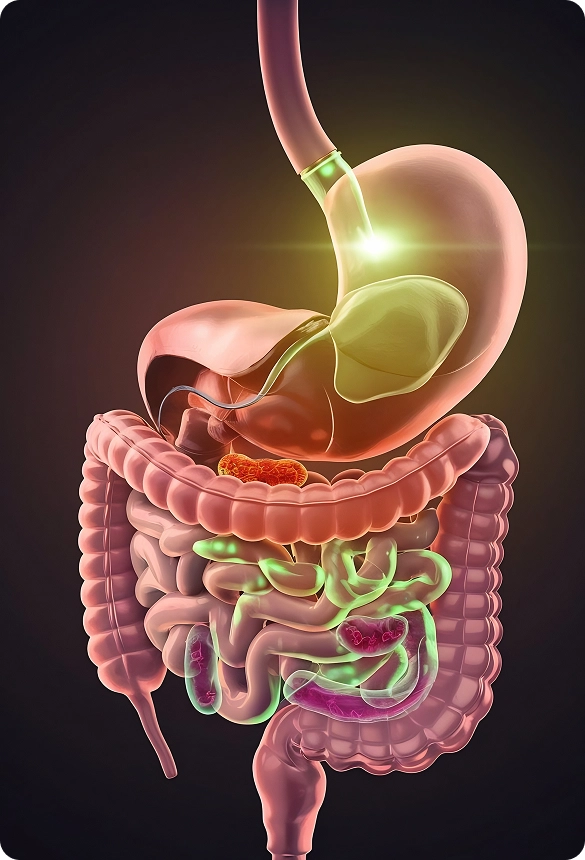
Semaglutide is classified as a GLP-1 receptor agonist and approved by the FDA for both Type 2 diabetes treatment and medical weight loss. It acts by duplicating the functions of the GLP-1 hormone normally produced in the body, promoting insulin secretion while decreasing glucagon release to maintain stable blood sugar.
The result is a slowing of the digestive system and a reduction in appetite, leaving you feeling full longer and preventing excessive food intake. This reduction in calorie consumption helps protect overall health and encourages weight loss. Unlike the body’s natural GLP-1 hormone which is short-acting, Semaglutide remains active in the system for an extended time, enabling more consistent weight management and stronger control of glucose levels.
Frequently Asked Questions
Is this medication safe?
How much weight loss is possible?
How long does it take to start seeing results?
Patients often notice differences in appetite, blood sugar, and early weight loss within the first several weeks. Continued progress typically develops in the ten to twelve week range. Final outcomes will always vary because of individual considerations that include:
- Age
- General health condition
- Lifestyle habits
- Weight
Who is a good candidate for losing weight with Semaglutide in Orange County?
Semaglutide may be prescribed to adults across Orange County who are 18 years or older and have a body mass index of 27 kg/m2 or higher, provided they are also managing a weight-related health problem. Examples include:
- High blood pressure
- High cholesterol
- Type 2 diabetes
Adults in Orange County with a body mass index of 30 kg/m2 or more may still qualify for Semaglutide even without another diagnosis.
Patients in Orange County who have specific health conditions in their medical history or who are living with illnesses that conflict with this medication should not take Semaglutide. A healthcare provider will review eligibility carefully.
- Gallbladder disease
- Multiple endocrine neoplasia type-2 syndrome
- Thyroid cancer
- Pregnant or breastfeeding women may need to avoid this medication
Does Semaglutide come with any side effects?
Most patients begin Semaglutide therapy at the lowest dosage level. This strategy helps the body slowly adapt and reduces the chances of common side effects. These may include:
- Constipation
- Diarrhea
- Discomfort in the abdominal area
- Heartburn
- Nausea
- Vomiting
Fortunately, most of these reactions are short-term and disappear within two to three days as tolerance builds.
Is it important to maintain a specific diet while taking this medication?
Yes, Semaglutide performs best when combined with responsible lifestyle practices. Eating a healthy diet filled with nutrient-dense foods and maintaining an active routine through exercise will enhance the medication’s results. Patients who commit to these adjustments generally experience faster progress and better long-term outcomes.
Is alcohol permitted when taking Semaglutide?


Tirzepatide: How it Works and Is it Right for You?
Patients across Orange County who want medical support in reaching their weight loss goals may benefit from Tirzepatide. This FDA-approved medication is specifically designed to replicate the roles of two important hormones naturally produced in the intestine that influence appetite, food intake, and insulin regulation.
These hormones are GLP-1 and GIP. GLP-1 suppresses appetite by telling the brain that no further food is needed, while GIP stimulates insulin release and guides the body in determining how fat should be stored. Together, they impact hunger control, metabolism, and weight management.
For Orange County patients, Tirzepatide provides a longer-lasting version of these natural processes, continuing to work long after the hormones themselves fade. This ensures more reliable appetite control, steady weight reduction, and long-term support in maintaining results once weight loss goals are achieved.
Frequently Asked Questions
Is this medication safe?
How much weight loss is possible?
How long does it take to start seeing results?
The onset of results varies. Some patients experience noticeable changes early on, while others need four to six weeks before progress becomes visible. More consistent and ongoing weight loss is often reported after two to three months of treatment. These outcomes are influenced by several factors, including lifestyle adherence and medical history:
- Age
- General health condition
- Lifestyle habits
- Medical history
- Prescribed medications taken during weight loss treatment
- Weight
Who is a good candidate for losing weight with Tirzepatide in Orange County?
Throughout Orange County, many adults may find Tirzepatide to be a safe option for weight loss if they fall within certain categories. The treatment is considered for individuals who meet one of the following:
- Cardiovascular disease
- High blood pressure
- High cholesterol
- Type 2 diabetes
Across Orange County, adults who have reached a body mass index of 30 kg/m² or more may qualify for Tirzepatide, even in cases where they do not have weight-related health conditions. However, patients in Orange County with a medical history of medullary thyroid carcinoma or those diagnosed with multiple endocrine neoplasia type 2 should avoid this medication.
Does Tirzepatide have any side effects?
During the initial phase of treatment, Tirzepatide is prescribed at a small dose to help the body adapt and reduce the chance of uncomfortable symptoms. Side effects can include:
- Constipation
- Diarrhea
- Discomfort in the abdominal area
- Heartburn
- Indigestion
- Lethargy
- Nausea
- Vomiting
Most of these are mild and temporary, resolving quickly as patients adjust.
Is it important to maintain a specific diet while taking this medication?
Is alcohol permitted with Tirzepatide?
Is it safe to stop taking this medication once the target weight goal has been reached?
Retatrutide: How it Works and Is it Right for You?
For patients throughout Orange County who are searching for advanced options in medical weight loss, Retatrutide may be the breakthrough they need. This treatment is being developed as a triple receptor agonist, targeting GLP-1, GIP, and glucagon to help regulate appetite, control blood sugar, and improve fat metabolism.
While Retatrutide is still in the clinical trial phase as of July 2025, results so far have been exceptional. In phase two trials, patients on higher doses achieved over 20% reductions in body weight and better HbA1C outcomes. For many Orange County patients, this could represent one of the most effective medical options for weight management and long-term health improvement.
The drug is now progressing into phase three testing, where safety and broader benefits are being studied. Patients across Orange County who want access to the most powerful weight loss treatments should watch for the release of Retatrutide.

Frequently Asked Questions
Is this medication safe?
How much weight loss is possible?
What is the status of FDA approval for this medication?
Does Retatrutide have any side effects?
Yes, as seen in other GLP-1 receptor medications, there are side effects that may occur. Commonly reported symptoms include:
- Abdominal discomfort
- Constipation
- Diarrhea
- Dizziness
- Fatigue
- Headache
- Loss of appetite
- Nausea
- Vomiting
These effects were most often mild or moderate and lessened once patients adjusted to the prescribed dose.
How is Retatrutide administered?
Lose Weight with Dr. Garcia

Initial Consultation

Personalized Treatment Regimen