

GLP-1 Medications for Weight Loss: Are They Right for You?
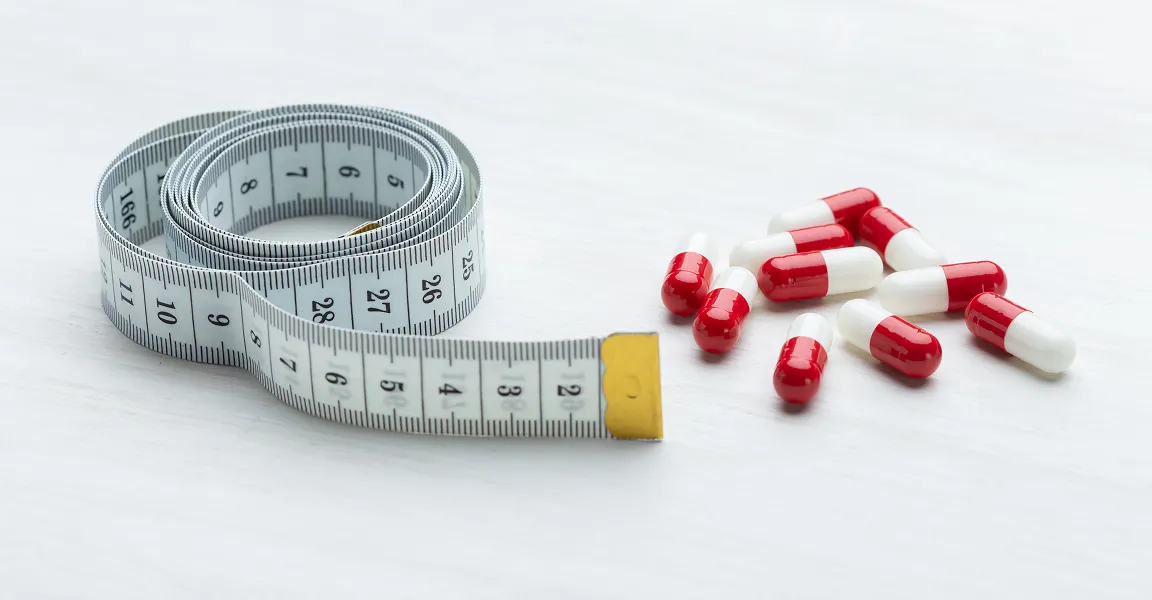
Losing weight isn’t always just about eating less and exercising more. Many people deal with persistent hunger, a slower metabolism, hormone imbalances, or blood sugar fluctuations that make progress difficult to achieve and even harder to maintain over time. When these underlying factors are not addressed, even the most consistent efforts can lead to frustration or short-term results.
GLP-1 medications offer a more targeted, medical approach to weight loss. Instead of relying on willpower alone, these treatments work with your body’s natural systems to help regulate appetite, improve metabolic function, and support steady, sustainable progress. By enhancing how your body signals fullness and manages blood sugar, they make it easier to build healthier habits without extreme restriction.
Through medically supervised programs at BodyLogicMD, patients receive personalized care designed to address the root causes of weight gain. With the right guidance and a tailored plan, GLP-1 injections can provide a more realistic path to long-term weight management and overall wellness.
What Are GLP-1 Medications?
GLP-1 (glucagon-like peptide-1) is a naturally occurring hormone released in the gut after eating. It plays a key role in:
- Signaling fullness to the brain
- Slowing stomach emptying
- Regulating blood sugar levels

How GLP-1 Injections Work for Weight Loss
Appetite Control and Satiety
- Slow the rate at which food leaves the stomach
- Enhance signals of fullness to the brain
- Reduce cravings and emotional eating patterns
Blood Sugar Balance
- Improve insulin function
- Reduce blood sugar spikes after meals
- Support more stable energy levels throughout the day
Long-Term Metabolic Support
- Encouraging consistent calorie reduction
- Supporting fat metabolism
- Helping establish healthier eating patterns over time

Semaglutide vs. Tirzepatide
Understanding the differences between these two medications can help determine which option may be more suitable.
- Works by activating GLP-1 receptors
- Slows digestion and increases feelings of fullness
- Helps reduce appetite and caloric intake
- Typically administered once weekly
- Targets both GLP-1 and GIP pathways
- Enhances insulin response and metabolic efficiency
- Influences how the body stores and uses fat
- May provide broader metabolic support
Key Differences Between Semaglutide and Tirzepatide
Both medications are FDA-approved and effective for medical weight loss, but they work in slightly different ways:
Semaglutide
- Targets only the GLP-1 pathway
- Helps regulate appetite and slow digestion
- Supports moderate fat metabolism
- Improves blood sugar control
Tirzepatide
- Targets both GLP-1 and GIP pathways
- Enhances appetite control and fullness
- Provides greater support for fat metabolism
- Improves blood sugar regulation and overall metabolic function
Both medications should always be prescribed and monitored by a qualified healthcare provider to ensure safe and effective results.

Benefits of GLP-1-Based Medical Weight Loss
Patients often choose GLP-1 medications because they provide results that feel manageable and sustainable. Key benefits include:
- Feeling full sooner during meals
- Reduced cravings, especially for high-calorie foods
- Improved portion control without strict dieting
- More stable blood sugar levels
- Gradual, consistent weight loss
- Support for long-term lifestyle changes
Rather than forcing extreme restrictions, these treatments help reshape eating behaviors in a more natural and maintainable way.
Who Is a Good Candidate for GLP-1 Injections?
GLP-1 medications may be a good fit for individuals who:
- Struggling to lose weight despite diet and exercise
- Experience frequent hunger or cravings
- Have metabolic or blood sugar concerns
- Want a medically supervised approach to weight loss
At BodyLogicMD, treatment plans are based on a comprehensive evaluation that may include:
- Health history
- Hormonal balance
- Metabolic function
- Weight loss goals
This personalized approach helps determine whether Semaglutide or Tirzepatide is the better option for each patient.

Safety and Possible Side Effects
Common Side Effects
- Mild nausea
- Temporary digestive discomfort
- Reduced appetite
These effects are usually short-term and tend to improve as the body adjusts.
Why Medical Supervision Matters
- Proper dosing and adjustments
- Monitoring for side effects
- Safe, effective use of the medication
How to Get Started with GLP-1 Weight Loss
Getting started begins with a professional evaluation. At BodyLogicMD, patients receive a personalized plan designed to match their unique physiology and goals, which you can explore and schedule through their GLP-1 Weight Loss program. This tailored approach ensures that your treatment is not only effective but also sustainable over time.
GLP-1 medications are transforming weight loss by targeting the biological factors that make lasting results difficult, helping control appetite, improve blood sugar balance, and support sustainable weight reduction. When combined with expert guidance and a personalized plan, GLP-1 injections can promote healthier habits and long-term success, with BodyLogicMD offering a structured, medically supervised program designed for lasting change.
Contact Us
Reach out to our team today for expert care, personalized treatments, and answers to all your questions about our services.


Frequently Asked Questions
What are GLP-1 medications used for?
How quickly do GLP-1 injections work?
Are GLP-1 medications safe?
What is the difference between Semaglutide and Tirzepatide?
Do I need to follow a diet while using GLP-1 injections?
Can I stop taking GLP-1 medications after losing weight?
This depends on individual goals and health factors. A provider will guide you on maintenance strategies to help preserve your results.