

Revitalize Your Health with Personalized Care in Mission Viejo
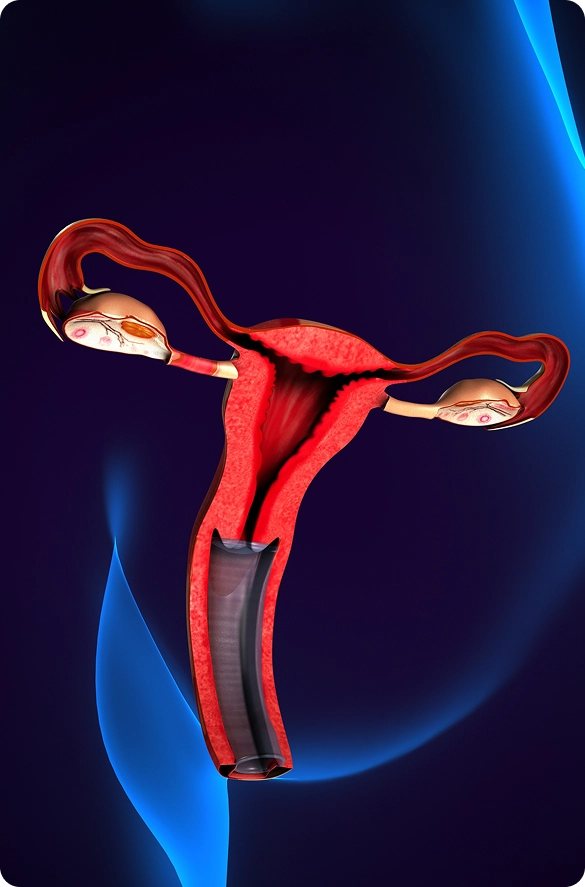
Hormone Replacement Therapy (HRT) is recognized as a trusted medical treatment for alleviating symptoms tied to menopause, andropause, and multiple endocrine disorders.Women over 50 in Mission Viejo who deal with disruptive challenges such as hot flashes, night sweats, sexual dysfunction, mood swings, depression, and insomnia can find relief through therapies that restore estrogen balance within the body.As women in Mission Viejo transition through menopause, the ovaries gradually slow down estrogen production, resulting in hormonal imbalances that cause ongoing discomfort and are made worse by the decreased levels of estrogen, progesterone, and other natural hormones.
Common Symptoms Associated with Hormonal Deficiencies and Imbalances
When hormone levels become unbalanced due to aging or other health-related factors, women may start experiencing a variety of uncomfortable changes. These can include both physical symptoms and emotional struggles that directly impact quality of life. Hormone Replacement Therapy (HRT) can replenish declining levels of estrogen, progesterone, and additional hormones that are no longer present in sufficient amounts. By targeting the cause of hormonal imbalance, treatment works to relieve many of the disruptive symptoms women encounter during menopause and related stages.

Hot Flashes & Night Sweats
One of the hallmark signs of hormonal deficiency is the onset of hot flashes, which are often paired with episodes of night sweats. These temperature-related issues are closely linked to menopause, perimenopause, and postmenopause, and they are notorious for interfering with healthy sleep cycles. Night after night, women may find themselves unable to get adequate rest due to constant interruptions. HRT can stabilize hormone levels, reducing the number and severity of hot flashes and night sweats, and improving the ability to achieve restorative sleep.

Menstrual Health Symptoms
Menstrual health problems often arise when hormones are deficient or out of balance. Heavy periods, severe cramps, and endometriosis are typical results. The lack of estrogen and progesterone contributes to both painful menstruation and abnormal growth of endometrial tissue.

Psychological and Emotional Symptoms
During perimenopause, many women encounter psychological strain. Anxiety, unstable moods, and depressive symptoms can all emerge. Hormone replacement therapy plays a role in reducing these emotional difficulties, improving resilience, and offering greater mood consistency.

Sexual Dysfunction Symptoms
Sexual health challenges are also widely reported in the different stages of menopause. Vaginal dryness, irritation, and pain during intimacy can all affect quality of life. Hormone replacement therapy assists by replenishing lubrication, improving circulation, and restoring elasticity to vaginal tissue, which helps reduce discomfort.
Frequently Asked Questions about Women’s Hormone Replacement Therapy
How safe is Hormone Replacement Therapy?
Hormone Replacement Therapy offers a safe and reliable way to address the many uncomfortable symptoms that women experience when their hormone levels drop, with low-dose bioidentical hormones used to help restore health and balance in a controlled manner.For patients in Mission Viejo who pursue HRT, it is recommended that these treatments be supported by positive lifestyle habits, since combining therapy with healthy routines increases the likelihood of success while lowering possible risks.Dr. Garcia will take the time during consultation to discuss the treatment options best suited to your needs, making personalized recommendations that ensure your plan reflects your unique health requirements and individual goals.For Mission Viejo women who are younger than 60 and within 10 years of menopause, the benefits of initiating hormone replacement are often far greater than the risks, providing reassurance that HRT is an effective and worthwhile choice.
How long will it take to notice results with Hormone Replacement Therapy?
While some patients report experiencing significant changes in their symptoms within only two weeks, others may require a longer treatment period before improvements become clear. The speed of results depends on numerous factors such as personal health status, any relevant medical issues, individual medical history, and the treatment goals identified at the beginning. Because every person’s situation is different, results may not appear on the same timeline for everyone.
How is each Hormone Replacement Therapy treatment plan developed?
Every treatment plan is constructed with patient-specific details in mind. Dr. Garcia carefully considers the medical history, current symptoms, and unique goals of each patient before creating a treatment course. There is no general template that applies to everyone; rather, the program is personalized through the consultation process so that the challenges faced by each individual are properly managed, resulting in more effective outcomes.
Why are some treatments called bioidentical hormones?
The term bioidentical refers to the fact that these hormones share the exact same chemical structure as the body’s own naturally occurring hormones. This allows them to integrate seamlessly and function as if the body had produced them itself. For those suffering from hormone deficiencies, bioidentical hormones are an excellent solution because they reduce symptoms effectively while generally posing fewer risks of negative side effects.
Who is a good candidate in Mission Viejo for Hormone Therapy treatments?
An ideal candidate for hormone replacement therapy includes women coping with menopause-related issues like hot flashes, sleep disturbance, frequent night sweats, bone density loss, bone fractures, atrophic vaginitis, and declining estrogen levels. In Mission Viejo, patients experiencing these concerns are often considered excellent candidates for therapy after a thorough evaluation. Dr. Garcia always begins with an initial consultation, which allows for a comprehensive review of symptoms and medical history in order to create a plan tailored to each patient’s specific health profile.
Who shouldn’t take HRT treatments?
Patients currently managing breast cancer, ovarian cancer, or liver and gallbladder disease are not considered suitable for hormone therapy. Women with ongoing vaginal bleeding of unknown origin, blood clotting disorders, or cardiovascular health concerns such as heart attacks and strokes are also not recommended for HRT. Additionally, those who are pregnant or intending to conceive should avoid these treatments.
What are the risks of taking HRT treatments?
For the right candidates, HRT is considered effective, but it carries potential health risks. These include an elevated likelihood of stroke, blood clot formation, gallbladder problems, and breast cancer. The extent of these risks varies with each patient and is impacted by factors such as treatment type, health history, and the amount of time undergoing therapy. Dr. Garcia discusses these elements with each patient to help them make informed choices.
How long should HRT treatments last?
Treatment length is customized based on patient needs. There is no strict timeline, and some patients may remain on therapy longer than others. Regular appointments are important to track symptom improvement, assess side effects, and make changes as needed. This ensures treatment stays safe and provides the best outcomes for the patient.