

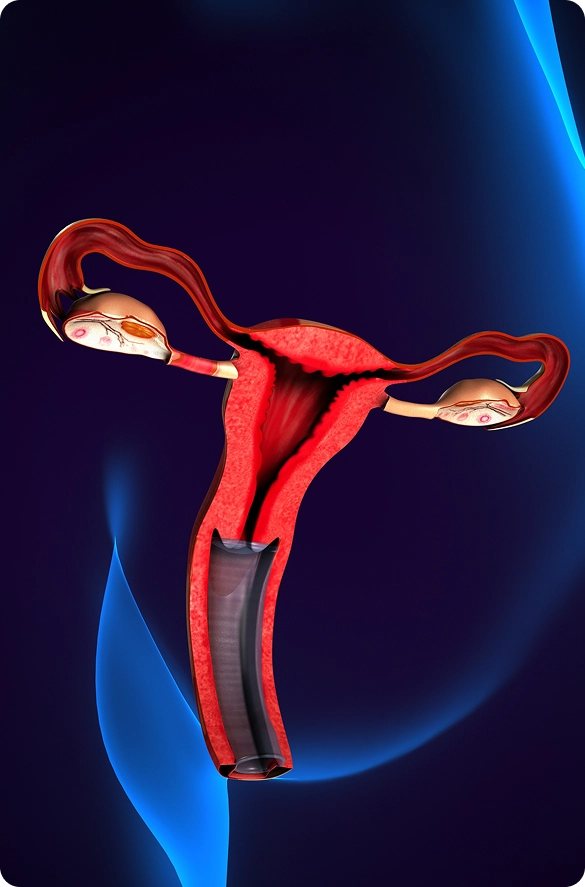
Women’s Hormone Replacement Therapy (HRT) in Dana Point, CA

Dana Point women are able to access comprehensive and professionally administered treatment options that aim not only to relieve the physical and emotional effects of menopause but also to address various health conditions that frequently develop because of irregularities or insufficient levels of key female hormones necessary for maintaining optimal well-being.
Women's Hormone Replacement Therapy

Revitalize Your Health with Personalized Care in Dana Point

Hormone Replacement Therapy (HRT) serves as a trusted medical solution for reducing the effects of menopause, andropause, and numerous hormonal disorders that may affect overall health.Women over fifty in Dana Point dealing with disruptive symptoms such as persistent hot flashes, night sweats, insomnia, emotional instability, depression, or sexual dysfunction can benefit from therapies carefully formulated to replenish estrogen levels that naturally decline as part of the aging process.During the menopausal transition, women in Dana Point experience a gradual decrease in ovarian estrogen production, resulting in imbalances that can spark a variety of symptoms, which are further intensified when the body is unable to sustain appropriate levels of estrogen, progesterone, and other hormones vital to maintaining physical and emotional wellness.

Common Symptoms Associated with Hormonal Deficiencies and Imbalances

Fluctuations in hormone levels naturally occur as part of the aging process, but when these changes result in significant imbalances or deficiencies, they can create a wide array of symptoms that interfere with health and overall well-being. Hormone Replacement Therapy (HRT) is often utilized to replenish estrogen, progesterone, and other key hormones to levels that support normal bodily function. This therapy addresses the primary causes of hormone imbalances, providing relief from the many symptoms that arise when the body’s production of essential hormones slows or becomes irregular over time.

Hot Flashes & Night Sweats

Among the most common and disruptive effects of menopause and similar conditions are hot flashes and night sweats. These sudden surges in body temperature can provoke discomfort during the day and disturb rest at night, contributing to stress and fatigue. Insomnia is a frequent consequence of these temperature disruptions, as they interfere with natural sleep cycles and prevent restorative rest. Hormone Replacement Therapy works to moderate these changes, helping to lessen the frequency and severity of hot flashes and night sweats while supporting more regular and restful sleep patterns.

Menstrual Health Symptoms

Hormonal imbalances commonly show themselves through disturbances in menstrual patterns. Women might experience excessively heavy periods, cycles accompanied by severe cramping, or conditions such as endometriosis that affect reproductive health. Deficiencies in estrogen or progesterone are directly related to increased menstrual pain and the abnormal formation of endometrial tissue, further impacting menstrual well-being.

Psychological and Emotional Symptoms

Perimenopausal hormone fluctuations can have a pronounced effect on emotional and psychological health. Women frequently report irritability, swings in mood, depressive tendencies, and heightened anxiety. Hormone replacement therapy can provide a targeted solution, helping to stabilize mood patterns and support improved mental health during this transitional phase.
Frame-47-3
Sexual Dysfunction Symptoms
The menopausal transition may also interfere with sexual function, causing discomfort, dryness, or painful intercourse, commonly associated with atrophic vaginitis. Hormone replacement therapy can help restore natural lubrication, improve blood flow to vaginal tissue, and regain tissue resilience, supporting a healthier sexual experience.

Frequently Asked Questions about Women’s Hormone Replacement Therapy

How safe is Hormone Replacement Therapy?
Hormone Replacement Therapy is widely considered a highly effective and safe medical solution for women experiencing the challenging effects of reduced hormone levels. Bioidentical hormones are typically administered at carefully calculated low doses to begin treatment in a way that maximizes success while minimizing side effects.For patients in Dana Point receiving HRT, pairing these therapies with healthy lifestyle practices is strongly encouraged. Incorporating exercise, proper nutrition, and stress reduction strategies can diminish unwanted risks and enhance the likelihood that hormone therapy will perform optimally to relieve daily symptoms and improve quality of life.Your appointment with Dr. Garcia will include a detailed discussion of all feasible treatment pathways, with precise recommendations for the regimen most likely to support your overall health, increase vitality, and guide you confidently in achieving your hormone replacement goals.For women under the age of sixty and within roughly ten years of menopause, the advantages of HRT often surpass potential risks. Many women in Dana Point find this knowledge instrumental in making thoughtful decisions about moving forward with a carefully designed and individualized hormone replacement plan.
How long will it take to notice results with Hormone Replacement Therapy?
The period in which patients begin to notice tangible results from hormone replacement therapy differs greatly from person to person. Some patients report relief from their most troubling symptoms within a few weeks, whereas others may require several months before they observe noticeable changes. This difference is completely normal because individual health, lifestyle routines, and medical histories are all unique. Additional factors such as the specific reason for starting HRT and the objectives established at the outset also influence how quickly improvements are experienced.
How is each Hormone Replacement Therapy treatment plan developed?
Dr. Garcia develops each hormone therapy plan with precision, tailoring it to the unique needs and symptoms of the individual patient. Since every patient’s situation is distinct, there is no standardized protocol that applies to everyone. During consultations, a comprehensive review of medical history, current health conditions, and specific treatment goals is completed. This ensures that the therapy is fully customized to address the patient’s concerns while maximizing the likelihood of safe and lasting benefits.
Why are some treatments called bioidentical hormones?
The term bioidentical refers to hormones that share an identical molecular structure with those naturally produced by the body. This compatibility allows the therapy to integrate seamlessly with the body’s natural processes, efficiently correcting hormone deficiencies. Bioidentical hormones are often preferred over synthetic versions because they promote a more natural response and reduce the potential for side effects, offering a method to restore balance in harmony with how the body operates.
Who is a good candidate in Dana Point for Hormone Therapy treatments?

Good candidates for HRT include those experiencing challenging menopause-related symptoms such as intense hot flashes, recurring night sweats, persistent sleep difficulties, diminished bone density, fractures, vaginal irritation, or a noticeable drop in estrogen levels. Women in Dana Point who find that these issues interfere with their daily lives are frequently considered ideal candidates. A consultation with Dr. Garcia allows for a detailed evaluation of health history and personal concerns, ensuring a customized plan that meets individual needs.

Who shouldn’t take HRT treatments?
Hormone therapy is not recommended for patients with active cancers of the breast or ovaries, significant liver or gallbladder conditions, abnormal uterine bleeding, or a history of severe blood clots. Those with prior cardiovascular problems such as strokes or heart attacks may also be considered unsuitable. Women who are currently pregnant or planning to become pregnant should not begin hormone replacement therapy due to potential risks to maternal and fetal health.
What are the risks of taking HRT treatments?
While HRT can provide meaningful relief from menopausal and hormone-related symptoms, certain risks exist. These may include stroke, the formation of blood clots, gallbladder complications, and in some instances, a higher likelihood of developing breast cancer. Factors such as treatment duration, patient age, and underlying health conditions all contribute to the level of risk. Dr. Garcia carefully discusses these potential issues with patients to ensure they are fully informed and able to make safe, educated decisions.
How long should HRT treatments last?

The length of hormone therapy varies for each patient, depending on their hormone levels and the severity of symptoms. Many patients benefit from ongoing treatment, though both the dosage and overall duration must be continually assessed. Regular appointments allow for necessary adjustments and provide reassurance that the therapy is achieving the intended results in a safe and controlled manner.